

After a sharp lift in spring stock, last week looked more balanced.
New listings eased, absorption improved, and active stock only moved from 105 to 107.
COPPER COAST WEEKLY MARKET PULSE
Week ending 27 September 2026
A snapshot of property market activity across postcodes 5554, 5556 and 5558.
Last Week’s Numbers
🏘️ Opening active stock at the start of last week: 105
➕ New listings last week: 9
📉 Closing active stock at the end of last week: 107
✅ Properties absorbed: 7
📊 Weekly absorption rate: 6.67%
🔑 Sold in the last 30 days: 12
What Is the Weekly Absorption Rate?
The weekly absorption rate measures how much active stock left the market during the week, after allowing for new listings.
In simple words, it helps show whether available stock is being absorbed, or whether listings are continuing to build.
What The Numbers Are Showing
Last week, 9 new properties came onto the market and active stock increased slightly from 105 to 107. Seven properties left active stock during the week after allowing for those new listings.
The weekly absorption rate improved from 5.43% the previous week to 6.67% last week. Sold properties over the last 30 days moved from 13 to 12, which is slightly lower, but still sitting around a similar level to recent weeks.
The bigger point is the change in pace. The week before previous week saw 18 new properties come onto the market, which pushed active stock from 92 to 105. Last week, new listings reduced to 9, absorption improved, and active stock only edged higher by 2.
So the market is still carrying higher spring stock, but last week’s numbers showed a more balanced week than the one before.
The Bigger Trend
Looking at the last few reports, active stock has moved from 89, to 92, to 105, and now 107.
The main shift happened when spring stock started coming through more strongly. Before that, active stock had been holding closer to the 90 mark. It is now sitting above 100, which means there is more available stock in the market than there was a month ago.
That does not mean the market has stopped. It means the balance between new supply and genuine buyer activity is now the key thing to watch.
What Is Happening On The Ground
At ground level, open home attendance was fairly average over the weekend. But what has been noticeable is the quality of buyers who are out looking.
A number of buyers appear to be well prepared. They have finance pathways, timing, and the steps required to purchase already mapped out. They are not just browsing casually. Many are actively trying to work out which property genuinely fits their needs.
This is where the stock number needs some context.
There may be more properties available overall, but once buyers narrow their search by budget, location, lifestyle and property type, the real number of suitable options can become much smaller.
For example, a buyer may inspect six or seven homes across the Copper Coast, but after walking through them, only two or three may actually match what they are looking for.
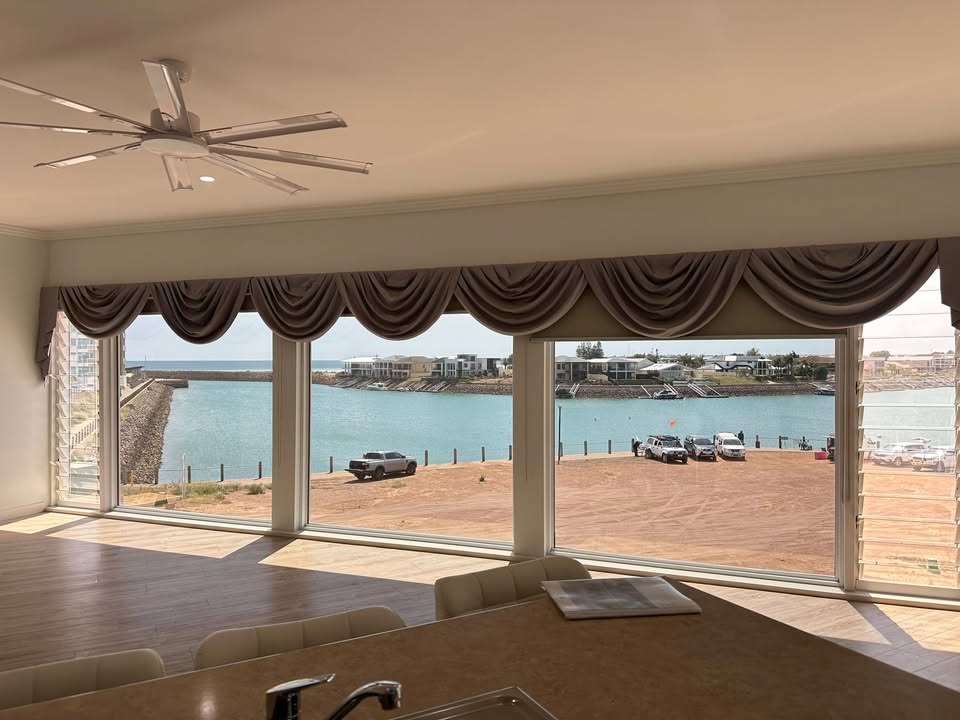
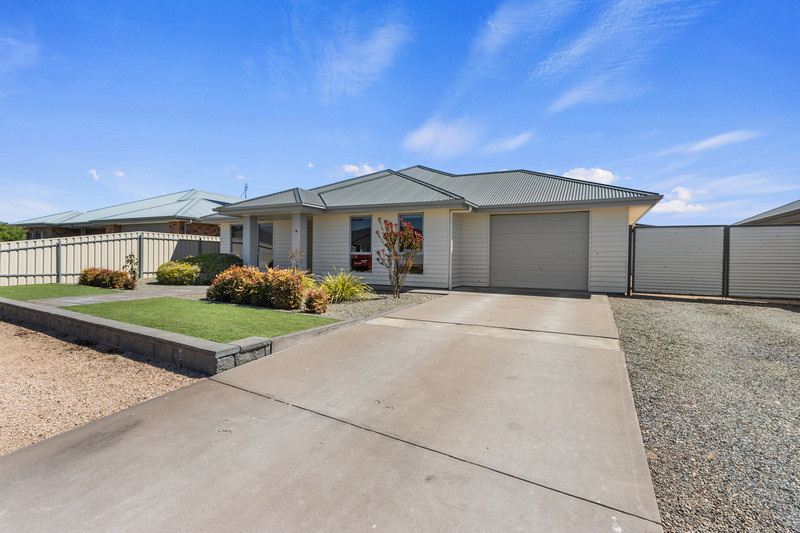
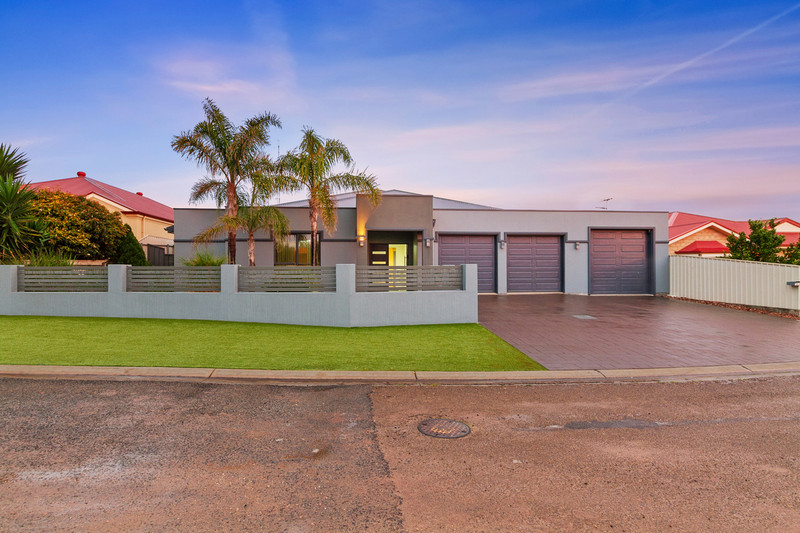
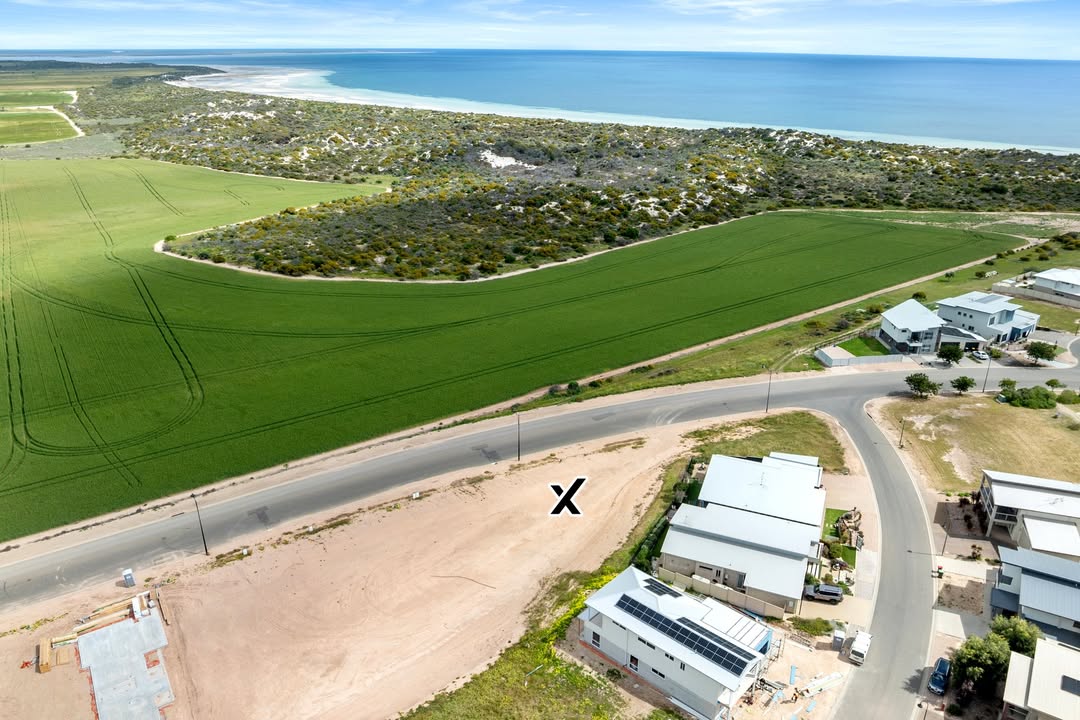
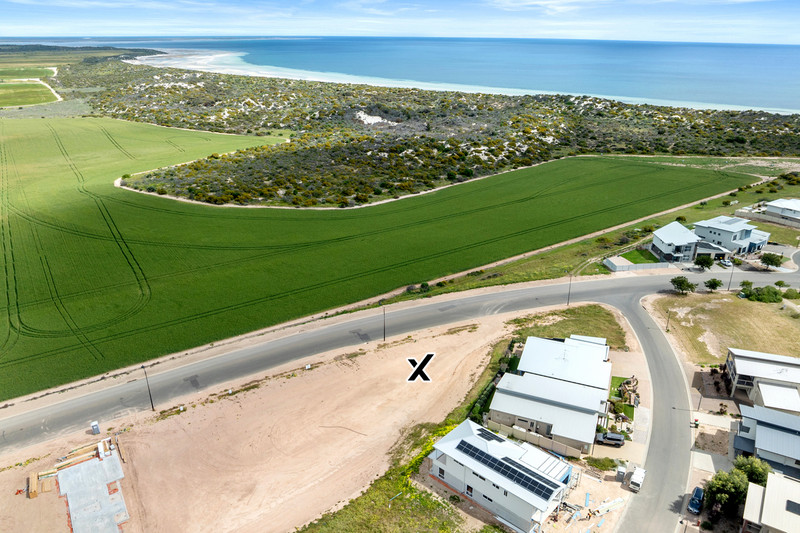
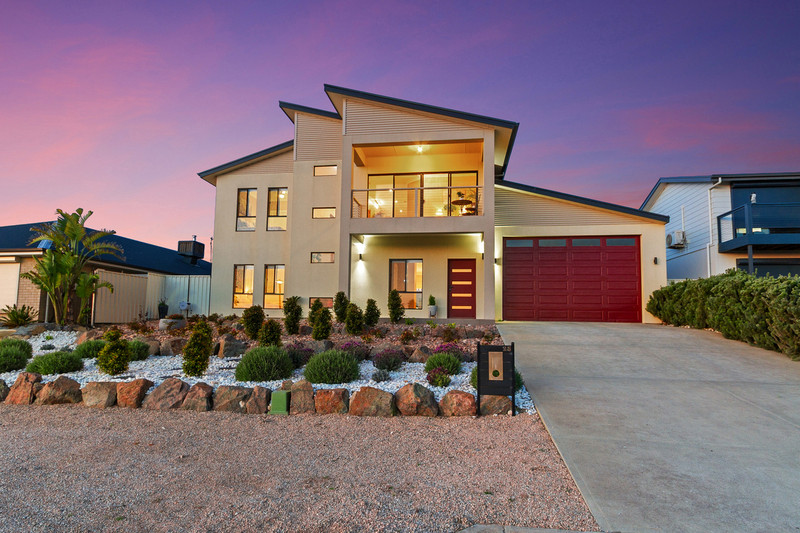
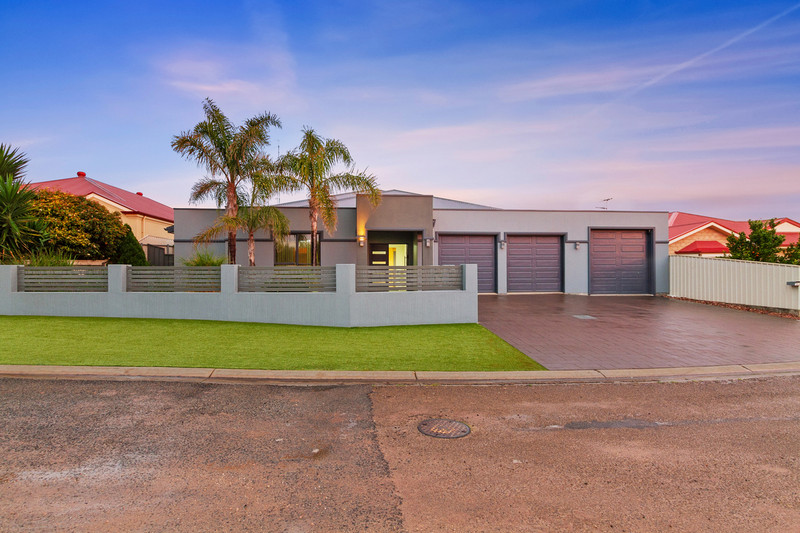
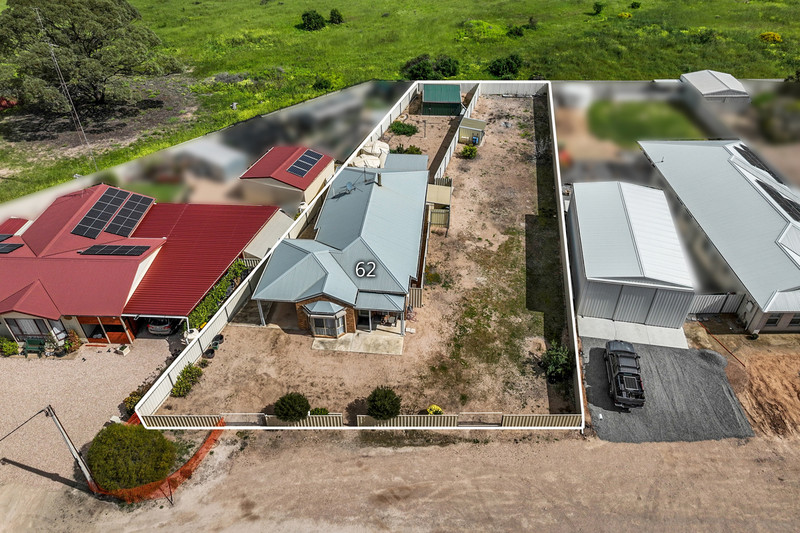
That is especially true for lifestyle-driven property searches. If someone is looking for a larger landholding or acreage-style property, there may only be a handful of suitable options available. If someone specifically wants marina frontage with direct water access, the number of options can be even smaller. The same applies to buyers looking for a modern home on a larger allotment, where the available stock can narrow quickly.
What To Watch Next
The number to watch from here is active stock.
If stock holds around this level while buyer activity and absorption remain steady, it may suggest the market is working through the spring lift. If stock continues to climb, it may show that new supply is still coming through faster than the current level of buyer activity can absorb.
The other thing to watch is buyer quality. Enquiry levels may not be high across every property, but prepared buyers are still active in the market. That can matter just as much as the total number of people walking through an open home.
The next RBA interest rate decision is also due on Tuesday, 29 September 2026 at 2:30 PM. There has been plenty of discussion across the industry about whether rates may rise again before the end of the year, so tomorrow’s decision will be another important piece of the broader market backdrop.
Have a question about what these numbers mean for your suburb, price range or property type?
Leave it in the comments or send a message.
Follow the page for weekly Copper Coast market updates and local property insights.
#CopperCoast #SouthAustralia #RegionalSA #RealEstate #LocalAgent #RegionalRealEstate #PropertyMarket
… See more
New listings eased, absorption improved, and active stock only moved from 105 to 107.
COPPER COAST WEEKLY MARKET PULSE
Week ending 27 September 2026
A snapshot of property market activity across postcodes 5554, 5556 and 5558.
Last Week’s Numbers
🏘️ Opening active stock at the start of last week: 105
➕ New listings last week: 9
📉 Closing active stock at the end of last week: 107
✅ Properties absorbed: 7
📊 Weekly absorption rate: 6.67%
🔑 Sold in the last 30 days: 12
What Is the Weekly Absorption Rate?
The weekly absorption rate measures how much active stock left the market during the week, after allowing for new listings.
In simple words, it helps show whether available stock is being absorbed, or whether listings are continuing to build.
What The Numbers Are Showing
Last week, 9 new properties came onto the market and active stock increased slightly from 105 to 107. Seven properties left active stock during the week after allowing for those new listings.
The weekly absorption rate improved from 5.43% the previous week to 6.67% last week. Sold properties over the last 30 days moved from 13 to 12, which is slightly lower, but still sitting around a similar level to recent weeks.
The bigger point is the change in pace. The week before previous week saw 18 new properties come onto the market, which pushed active stock from 92 to 105. Last week, new listings reduced to 9, absorption improved, and active stock only edged higher by 2.
So the market is still carrying higher spring stock, but last week’s numbers showed a more balanced week than the one before.
The Bigger Trend
Looking at the last few reports, active stock has moved from 89, to 92, to 105, and now 107.
The main shift happened when spring stock started coming through more strongly. Before that, active stock had been holding closer to the 90 mark. It is now sitting above 100, which means there is more available stock in the market than there was a month ago.
That does not mean the market has stopped. It means the balance between new supply and genuine buyer activity is now the key thing to watch.
What Is Happening On The Ground
At ground level, open home attendance was fairly average over the weekend. But what has been noticeable is the quality of buyers who are out looking.
A number of buyers appear to be well prepared. They have finance pathways, timing, and the steps required to purchase already mapped out. They are not just browsing casually. Many are actively trying to work out which property genuinely fits their needs.
This is where the stock number needs some context.
There may be more properties available overall, but once buyers narrow their search by budget, location, lifestyle and property type, the real number of suitable options can become much smaller.
For example, a buyer may inspect six or seven homes across the Copper Coast, but after walking through them, only two or three may actually match what they are looking for.
That is especially true for lifestyle-driven property searches. If someone is looking for a larger landholding or acreage-style property, there may only be a handful of suitable options available. If someone specifically wants marina frontage with direct water access, the number of options can be even smaller. The same applies to buyers looking for a modern home on a larger allotment, where the available stock can narrow quickly.
What To Watch Next
The number to watch from here is active stock.
If stock holds around this level while buyer activity and absorption remain steady, it may suggest the market is working through the spring lift. If stock continues to climb, it may show that new supply is still coming through faster than the current level of buyer activity can absorb.
The other thing to watch is buyer quality. Enquiry levels may not be high across every property, but prepared buyers are still active in the market. That can matter just as much as the total number of people walking through an open home.
The next RBA interest rate decision is also due on Tuesday, 29 September 2026 at 2:30 PM. There has been plenty of discussion across the industry about whether rates may rise again before the end of the year, so tomorrow’s decision will be another important piece of the broader market backdrop.
Have a question about what these numbers mean for your suburb, price range or property type?
Leave it in the comments or send a message.
Follow the page for weekly Copper Coast market updates and local property insights.
#CopperCoast #SouthAustralia #RegionalSA #RealEstate #LocalAgent #RegionalRealEstate #PropertyMarket